Simple tools every Lebanese small business should use in 2026
Simple tools every Lebanese small business should use in 2026: WhatsApp Business, Google Business Profile, Canva, booking, security and more. Mostly free.
 By Hussein KhalilCEO
6 min read
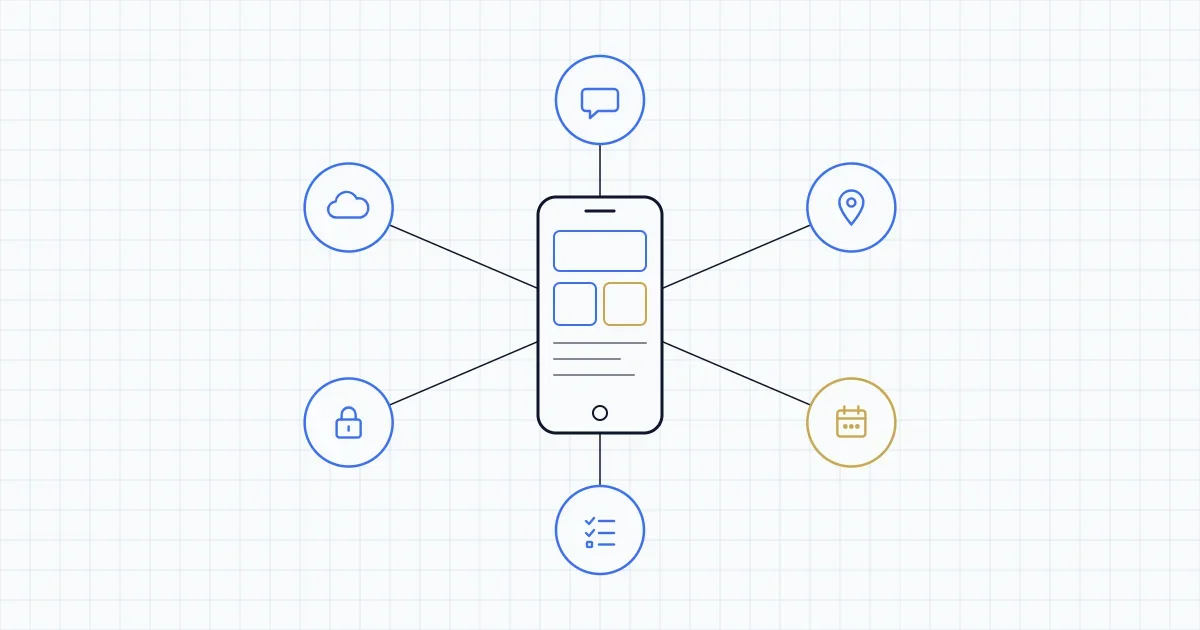
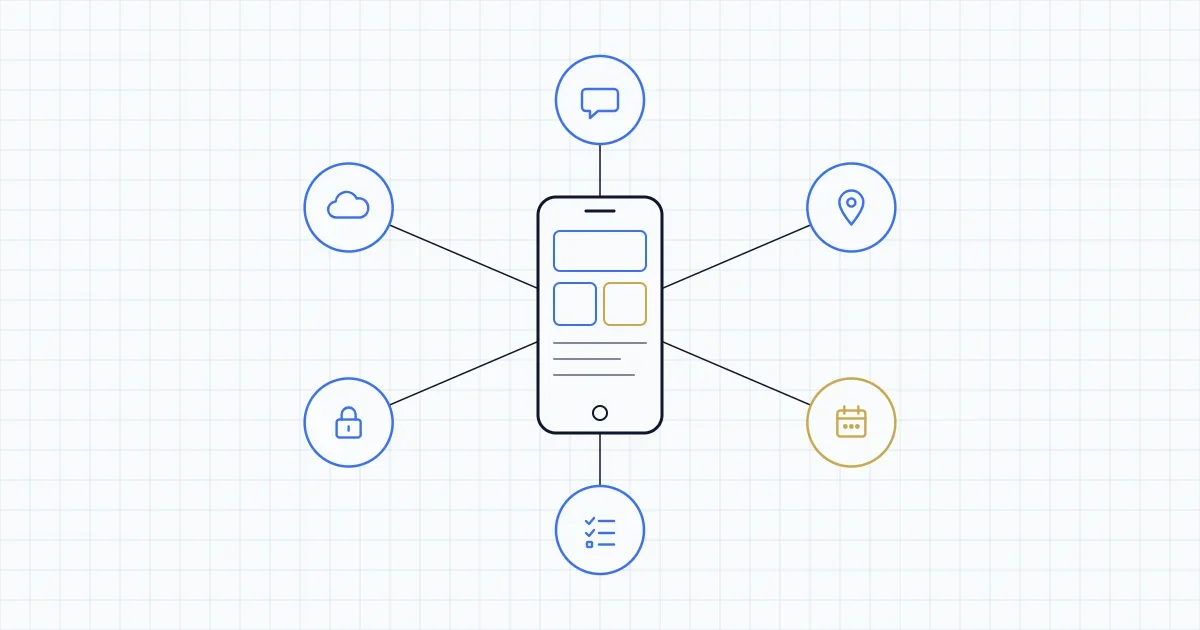
The simple small business tools in Lebanon that every owner should use in 2026 are: WhatsApp Business for customer chats, Meta Business Suite for social media, Google Business Profile to be found locally, a website on your own domain, professional email, Canva for design, Google Sheets or an invoicing app for money, an online booking calendar, a task board like Trello, and basic security with a password manager, two-factor login and cloud backup. Most have a free version, run on a phone, and can be set up in an afternoon.
You don't need expensive software to run a modern business. You need a few reliable tools, set up properly, that save time every day. Below is what each tool does, why it matters in Lebanon, and how to start.
What makes small business tools right for Lebanon?
We picked these tools with local realities in mind:
Phone-first. Most owners run the business from their phone, and most customers reach out the same way.
Low or no cost. Every tool here has a free version or an affordable entry plan.
Cloud-based. Your data stays safe in the cloud, even during power cuts or if a device is lost or damaged.
Easy to learn. You or your team should be using it within a day, without training.
These are the small business tools in Lebanon we recommend most often, and no tool on this list pays us to be included. Check each tool's current pricing before you subscribe, because plans change.
Part 1: Talk to customers
1. WhatsApp Business
In Lebanon, WhatsApp is often where sales actually happen. The free WhatsApp Business app separates your work chats from personal ones and adds features built for selling.
Use it for: a business profile with your hours and location, a product catalog, quick replies for common questions ("What's the price?", "Do you deliver?"), labels to track orders, and an automatic greeting or away message.
Start here: install WhatsApp Business on a dedicated number, fill in the full profile, and save your five most frequent answers as quick replies.
2. Meta Business Suite
If you sell through Instagram and Facebook, Meta Business Suite lets you manage both from one place, for free.
Use it for: scheduling posts and stories in advance, answering Instagram and Facebook messages in one inbox, and seeing which posts actually bring results.
Start here: connect your Facebook Page and Instagram account, then schedule one week of posts in a single sitting.
Part 2: Small business tools to get found online
3. Google Business Profile
When someone searches "bakery near me" or "phone repair in Saida", Google shows businesses with a profile on Google Maps first. A free Google Business Profile is one of the highest-value tools a local business can set up.
Use it for: appearing on Google Maps and local search, showing your hours, phone number and photos, collecting customer reviews, and posting offers.
Start here: claim or create your profile, verify it, add real photos, and ask your five best customers for a review. Reply to every review, good or bad.
4. A website on your own domain
Social media accounts can be hacked, restricted or lose reach overnight. A website on your own domain is the one online space you fully control, and it gives Google something to rank.
Use it for: a clear page for each service or product, your location and contact details, a WhatsApp button, and an online menu, catalog or booking page. Connect it to Google Search Console and Google Analytics, both free, to see how people find you.
Start here: register the domain in your own name. If you hire a developer, read our guide on what to ask before you pay.
Part 3: Look professional
5. Professional email on your domain
An address like info@yourbusiness.com builds more trust than a free Gmail or Hotmail address, especially with suppliers, corporate clients and customers abroad.
Use it for: quotes, invoices, supplier communication and anything that needs to look official.
Start here: providers such as Google Workspace and Zoho Mail offer email on your own domain at low monthly cost. Set it up with the same provider you'll use for shared files and calendars.
6. Canva
Canva lets anyone design social media posts, menus, flyers, price lists and simple presentations using ready-made templates. The free plan covers most small-business needs.
Use it for: consistent posts in your brand colors, printed menus and flyers, and quick edits without waiting for a designer.
Start here: create one template per post type (offer, new product, announcement) and reuse them, so everything you publish looks consistent.
Part 4: Small business tools for daily operations
7. Google Sheets or a simple invoicing app
Many small businesses still track sales and expenses in a notebook. A shared spreadsheet in Google Sheets is a simple, free upgrade that you can open from any phone.
Use it for: daily sales, expenses, stock levels, supplier payments and customer debts. When you're ready to send proper invoices, a free invoicing app such as Zoho Invoice can generate and track them. Check that it supports the currencies you work in.
Start here: create one sheet with four tabs: Sales, Expenses, Stock and Who Owes Us. Update it every evening.
8. An online booking calendar
If your business runs on appointments, like salons, clinics, tutors, mechanics or consultants, online booking cuts the back-and-forth on WhatsApp and reduces no-shows.
Use it for: letting customers pick a free time slot themselves, automatic confirmations and reminders, and keeping your schedule in one place.
Start here: Google Calendar's appointment schedules and Calendly both have free versions. Create a booking link and add it to your WhatsApp profile, Instagram bio and website.
9. A task board like Trello
When work lives in people's heads and WhatsApp groups, things get forgotten. A simple visual board shows what needs doing, who's doing it, and what's done.
Use it for: orders in progress, team tasks, supplier follow-ups and weekly to-dos.
Start here: create a free Trello board with three columns, To Do, Doing and Done, and move every task through it for one week.
Part 5: Stay safe
10. Security basics: a password manager, two-factor login and cloud backup
A hacked Instagram or WhatsApp account can cost a small business months of work. Three habits prevent most of these problems:
A password manager such as Bitwarden, which has a free plan, creates and stores a strong, unique password for every account.
Two-factor authentication (2FA) on WhatsApp, Instagram, Facebook, email and your bank, using an app like Google Authenticator, so a stolen password alone isn't enough.
Cloud backup of important files, photos and spreadsheets to Google Drive, OneDrive or similar, so a broken phone or laptop doesn't mean lost data.
Start here: turn on 2FA for your WhatsApp and Instagram accounts today. It takes five minutes.
Where to start with small business tools in Lebanon if you only have one hour
You don't need all ten tools at once. If you only have an hour this week, set up these three:
WhatsApp Business with a full profile and quick replies.
Google Business Profile with photos and your correct hours.
Two-factor login on your WhatsApp, Instagram and email.
They cost nothing, take little time, and protect and grow the channels most Lebanese customers already use. Add one more tool each week after that.
Quick summary: small business tools in Lebanon
Customer chats: WhatsApp Business (free)
Social media: Meta Business Suite (free)
Local search: Google Business Profile (free)
Online home: a website on your own domain (hosting and domain are paid)
Professional email: Google Workspace or Zoho Mail (low-cost plans)
Design: Canva (free)
Money tracking: Google Sheets, Zoho Invoice (free)
Appointments: Google Calendar, Calendly (free)
Tasks: Trello (free)
Security: Bitwarden, Google Authenticator, cloud backup (free)
The bottom line on small business tools in Lebanon
The best small business tools in Lebanon are the ones you actually use every day. Start small, set each tool up properly, and build the habit before adding the next one. A few simple tools, used consistently, will save you hours every week and make your business easier to find, trust and run.